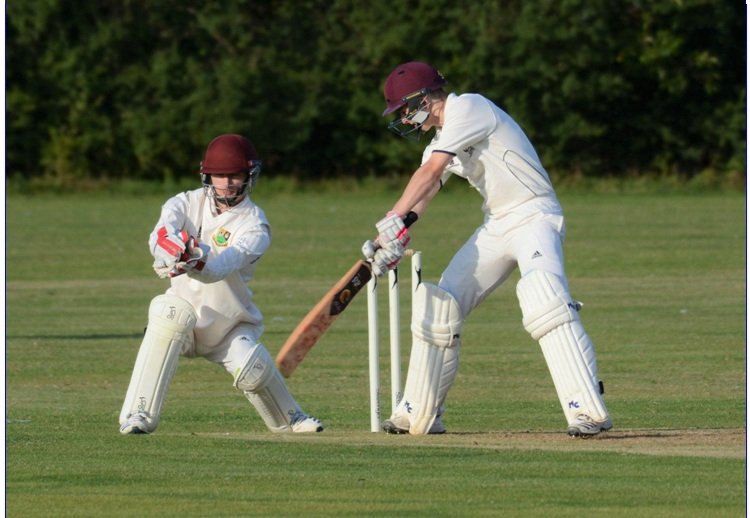

Power hitting often looks straightforward from the stands. A fast swing, a sharp sound, and the ball clears the rope. This impression leads many players to treat bat speed as the main source of boundaries, even though elite hitters rely on a precise balance of control, contact, and acceleration.
Modern cricket rewards efficiency over force. Cleanly timed shots travel farther with less effort, a principle that also applies to fast-paced, decision-driven experiences like the aviator game online, where precision matters more than impulse. On the field, the same logic defines effective stroke play.
Bat Speed: What It Actually Means in Cricket
Bat speed plays a role in boundary hitting, but its meaning often gets misunderstood. Pace alone does not guarantee distance or consistency.
Raw Bat vs Effective Bat Speed
Raw bat speed describes how fast the swing moves through the air. Effective contact depends on how efficiently that motion transfers energy into the ball. Off-center contact wastes energy, while a slightly slower swing that strikes the sweet spot often sends the ball farther with less effort.
How Bat Speed Is Generated
Bat speed comes from sequencing rather than strength. The movement starts from the ground, passes through the hips and torso, and finishes through the arms and wrists. Relaxed grip pressure allows freer motion, while tension in the hands or shoulders often limits effective acceleration.
Timing: The Invisible Skill Behind Clean Hitting
Timing determines how efficiently the bat meets the ball. This skill rarely shows up in highlight reels, yet it separates consistent boundary hitters from occasional big swingers.
Meeting the Ball at the Optimal Contact Point
The ideal contact point sits slightly in front of the body, with the bat face aligned toward the intended target. Contact too early pulls the shot into the leg side. Contact too late pushes the ball toward the off side with reduced power.
Weight Transfer and Balance at Contact
Stable balance allows the body to support clean contact. Weight transfer toward the shot creates momentum without forcing the swing. Poor balance often leads to mistimed hits, even when bat speed looks impressive.
Watching the Ball Later, Not Earlier
Elite batters delay their final commitment. Late visual focus allows small adjustments to line and length. Early commitment locks the body into a fixed swing path and increases mistiming.
Why Perfect Timing Can Beat Higher Bat Speed
Well-timed shots often travel farther than harder swings. The reason lies in energy transfer and contact quality.
| Factor | High Bat Speed, Poor Timing | Moderate Speed, Perfect Timing |
| Contact quality | Off-center | Sweet spot |
| Energy transfer | Low | High |
| Control | Limited | Strong |
| Consistency | Unstable | Reliable |
| Perceived effort | High | Low |
This contrast explains why technically sound batters clear the boundary with minimal effort, while others struggle despite aggressive intent.
How Technique Links Bat Speed and Timing
Technique acts as the bridge between speed and timing. Without sound mechanics, both elements suffer.
Bat Swing Path and Downswing Angle
A smooth, slightly arced swing path supports clean contact. A steep or rushed downswing disrupts timing and reduces margin for error. Proper alignment allows the bat face to stay stable through impact.
Role of Wrists in Late Acceleration
Loose wrists add late acceleration at the moment of contact. This effect directs energy to the bat face rather than through the entire swing. Early wrist release often leads to mistimed shots and loss of control.

Format Matters: Timing vs Speed Across Cricket Formats
Different formats reward different balances between timing and speed:
- Test cricket values placement, patience, and repeated clean contact.
- One-day cricket rewards timing through gaps with selective power.
- T20 cricket encourages aggression, yet clean timing still defines consistent six-hitters.
Across formats, timing underpins consistent stroke play, while bat speed amplifies results only when contact remains clean and controlled.
Developing Boundary Power the Right Way
Boundary power develops through repetition, balance, and technical clarity. Controlled drills that emphasize sweet spot contact build confidence. Strength training supports durability, but technique determines results. Players who respect timing as the primary skill often achieve more distance with less effort and greater consistency.
In modern cricket, boundaries reward efficiency. Bat speed matters, but timing decides how far the ball travels.