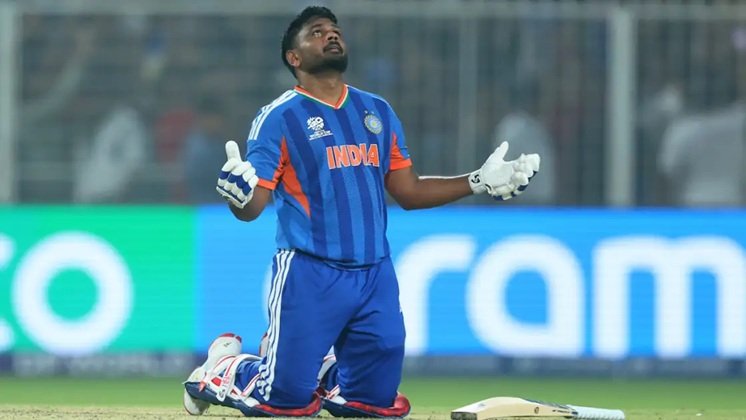

Live cricket has a way of making even a quiet over feel busy. The scoreboard may barely move, but the match is still shifting: a batter starts leaving wider balls, the keeper comes up for a spinner, a captain hides one fielder a little deeper, or the crowd reacts differently after two dot balls. Fans who follow the game closely know that the story is rarely held by the score alone.
A live match is read in layers
Watching cricket now often means looking at more than the broadcast. One screen shows the ball. Another carries the scorecard, comments, group chats, pitch talk, and the little numbers that make the next over feel different. A fan may watch the match with family, then check the phone between deliveries because the mind is already asking what the required rate means after that last single.
For fans following the match while it is still moving, the live cricket layer starts here, where the game can be read through changing moments rather than only the final result. That kind of second-screen habit fits cricket well. The sport leaves just enough space between balls for people to think, argue, check, and change their mind before the next delivery lands.
The scoreboard never tells the whole thing
A team can be 92 for 2 and look comfortable, or 92 for 2 and quietly trapped. The difference may be in who is still to bat, how many overs the main bowlers have left, whether the pitch is slowing down, or whether one batter has stopped finding the middle of the bat. Cricket fans enjoy this because it gives them something to read beyond the obvious.
That is why live commentary, stats, and fan discussion stay busy even when the scoring slows. A dot ball in the third over is not the same as a dot ball in the eighteenth. A single against a part-time bowler may feel wasteful. A single against a bowler on a hat-trick may feel like relief. Context changes everything.
What fans check during a tight chase
During a close match, the phone usually becomes a small cricket notebook. The fan is not only checking runs and wickets. They are trying to understand where the pressure is coming from.
- Required run rate after each over.
- Overs left from the best bowlers.
- Batters’ scoring areas and weak spots.
- Boundary size on each side of the ground.
- Wickets in hand before the final five overs.
- Whether dew, pitch wear, or lights are changing the ball.
These details do not predict the match perfectly. Cricket would be dull if they did. They simply help fans notice the shape of the game before the scoreboard makes it obvious.
A quiet over can still change the mood
Some of the most interesting overs are not the loud ones. A bowler may give away only three runs, but the real story is the batter losing timing. A spinner may not take a wicket, but the field suddenly feels tighter. A seamer may bowl one harmless-looking slower ball and make the next yorker more dangerous. Cricket builds pressure in small pieces, and live followers enjoy catching those pieces early.
Betting talk should stay behind the cricket
Live cricket often sits close to betting conversations, especially when odds move after every wicket, boundary, or injury break. For adults in places where betting is legal, that can be part of the wider match-day discussion. Still, the sport should stay first. A cricket fan who understands the match is already getting more from the evening than someone chasing every swing without reading the game.
If betting is involved, it needs limits before the match gets emotional. Money for food, rent, bills, transport, savings, or family needs should never mix with match-day entertainment. Cricket changes too quickly for careless decisions to feel harmless. One over can make a prediction look clever, and the next can make it look foolish.
The better fan experience keeps the game alive
The second screen works best when it adds texture without stealing the match. It can explain a field change, show a pattern, or help fans understand why the chase suddenly feels harder. It should not make the fan miss the bowler’s walk back, the batter’s small adjustment, or the nervous pause before a big shot.
Live cricket is special because it leaves room for both instinct and analysis. Fans can feel the pressure in the room, then check the numbers to see whether the feeling makes sense. That mix is what keeps people refreshing, talking, and watching until the last ball. The best match nights are still built around the game itself, with the phone there only to catch the details that make cricket richer.